


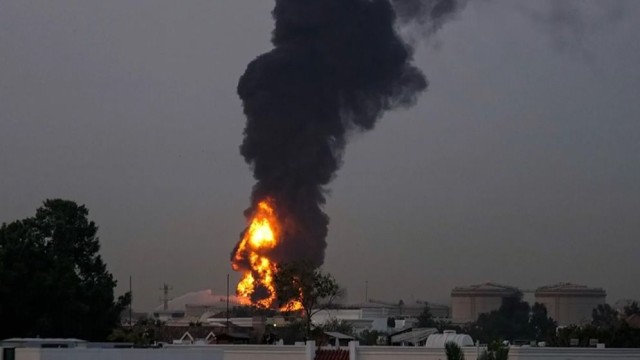
Global, Mar 19 (V7N) — The ongoing conflict between the US and Israel over Iran, along with Tehran’s counterattacks, has sent shockwaves through the global economy, affecting energy markets, stock exchanges, manufacturing, and fueling fears of rising inflation, according to a recent report by Al Jazeera.
The crisis escalated after Iran launched ballistic missile and drone attacks on February 28, targeting oil installations and infrastructure across the Gulf region. Shipping traffic through the Strait of Hormuz, which handles about 20 percent of the world’s oil and gas, has declined significantly.
Energy Prices Surge
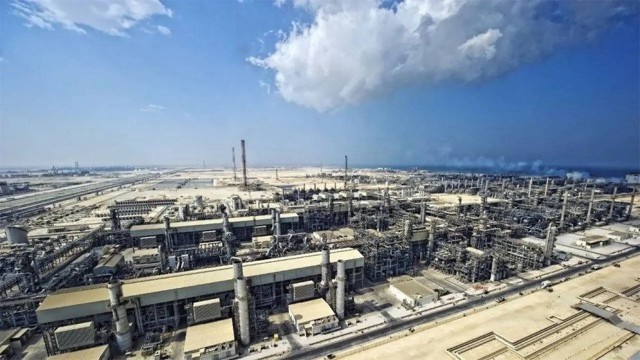
Oil prices have jumped sharply, with Brent crude rising from $72 to $106 per barrel, while LNG prices have increased by roughly 60 percent. Qatar’s suspension of energy production has further intensified market pressure. Petrol, diesel, and jet fuel prices are also climbing, particularly affecting Asian nations like China, India, Japan, and South Korea, which rely heavily on energy imports from the region. Analysts warn that prolonged conflict could push oil prices above $130 per barrel, potentially averaging $150 if the situation persists.
Decline in Production and Rising Costs
Rising fuel prices have reduced production worldwide. At least 85 countries have increased gasoline prices, with Cambodia seeing a 68 percent surge. Vietnam, Nigeria, Laos, and Canada have also reported significant hikes. Several countries are implementing measures to mitigate costs, including four-day workweeks in Pakistan and the Philippines, mandatory remote work in Thailand, alternate-day driving rules in Myanmar, and online fuel registration in Sri Lanka. These measures, however, are reducing productivity and affecting service and manufacturing sectors.
Stock Market Turmoil
Global stock markets have experienced major declines, with an average drop of 5.5 percent. Japan’s Nikkei index fell 11 percent, India’s Nifty 50 declined 7 percent, while London and European markets also suffered losses. Analysts note that Asian markets have been hardest hit due to their energy dependence, whereas Russia’s market has benefited as an alternative energy supplier.
Inflation and Recession Risks
Economists warn that a prolonged conflict could trigger global inflation, similar to crises in 1973, 1978, and 2008, when oil price shocks coincided with economic slowdowns. Developing countries could face debt crises, and rising interest rates would exacerbate financial pressures. Europe, already struggling with high energy costs, may see GDP growth drop to 0.5 percent if the conflict continues, while China’s growth could fall below 3 percent. The United States is predicted to maintain moderate growth of 2.25 percent in 2026.
Impact on Travel and Aviation
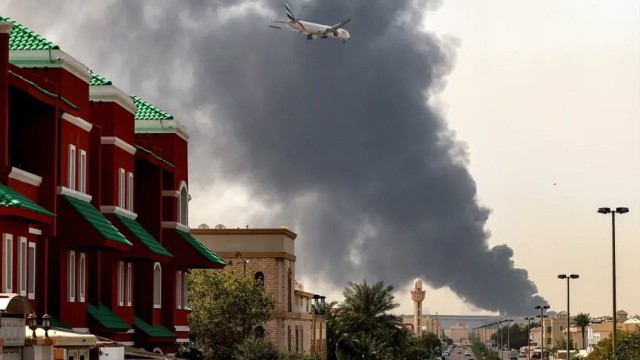
The aviation sector is also under pressure, with jet fuel prices soaring to $150–200 per barrel. Airlines have raised fares, and flight routes are being diverted due to partial closures of Gulf airspace, increasing travel time and costs. Tourism is expected to be negatively affected.
Experts warn that if the conflict continues, the economic shock could deepen, affecting global energy security, trade, and financial stability. The situation remains highly uncertain, with the potential for long-term repercussions across multiple sectors.
END/SMA/AJ




















Comment: