


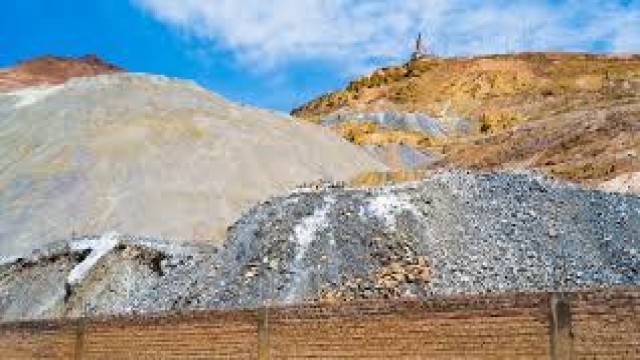
POTOSI, Bolivia, March 3, (V7N) - In the treacherous depths of Bolivia’s Cerro Rico, where Spanish colonialists once extracted vast wealth 500 years ago, a new silver rush is taking a deadly toll on young miners. The high demand for silver and tin, driven by their use in solar panels and electric vehicles, has once again made the mountain a coveted treasure, but at an immense human cost.
Cerro Rico, a UNESCO World Heritage Site, sits at 4,800 meters in the Andes, and its riches have historically been so abundant that they gave rise to the Spanish phrase “valer un Potosi,” meaning "to be worth a fortune." With silver prices now soaring to around $87 per ounce, up from under $20 four years ago, the lure of quick wealth is drawing young miners like 28-year-old Efrain Villaca into the dangerous depths.
Dangerous Work Conditions: Miners in Cerro Rico are exposed to constant danger as the mine’s tunnels are slowly collapsing under the weight of centuries of exploitation. Villaca, nearly suffocated by carbon monoxide, recalls his harrowing experience inside the mine, "I couldn’t breathe." He narrowly survived, but many others have not.
At least 32 miners have died in the Potosi department in January and February alone, according to government reports. The number of mining deaths has been rising sharply, with 123 fatalities last year, up from 77 in 2022. The surge in deaths mirrors the rise in silver and tin prices, with the tech and green energy sectors fueling an insatiable demand for these metals.
The Deadly Price of Silver and Tin. Silver is essential for the production of solar panels and electric vehicles, with Bolivia being the world’s fourth-largest producer in 2024. In 2024, Bolivia’s silver exports to China reached $532 million, an 88% increase from two years earlier. Tin, used in semiconductors, has tripled in price, now over $54,000 per ton, making Bolivia a vital player in the global market for these resources.
However, this boom has brought severe risks to miners who work in extremely hazardous conditions. Many of the young recruits are left without medical insurance and endure dangerous, exhausting shifts with little protection. Most of the miners chew coca leaves to help combat altitude sickness and hunger, and sometimes drink high-proof alcohol to numb the pain. Safety gear, including masks to protect against carbon monoxide, is almost nonexistent.
A State of Near Slavery. The miners work under the direction of cooperatives, but with high prices and profits, many cooperative leaders have stopped working themselves and instead hire young, vulnerable laborers at low wages. Hector Cordova, a mining researcher, described this system as a "state of near slavery."
Dr. Giovanna Zamorano, an emergency room doctor in Potosi, has seen a sharp increase in injuries and fatalities, with many victims aged between 20 and 25. Tragically, some of the victims are even children, drawn to Potosi from other parts of Bolivia to work in the mines.
Call for Action Despite the danger, mining continues to thrive due to the soaring prices of silver and tin. However, the tragedy of the young miners has sparked criticism from human rights organizations. Jackeline Alarcon, a lawyer for the Ombudsman's Office, emphasized the lack of action by authorities, stating, “Unfortunately, those in power don’t see Potosi as a heritage site. They see it as just a seam.”
As the silver rush continues, the human cost grows ever higher, with little sign of change in sight unless the government steps up enforcement of safety measures and provides better protection for the workers.
END/WD/RH/
















Comment: