


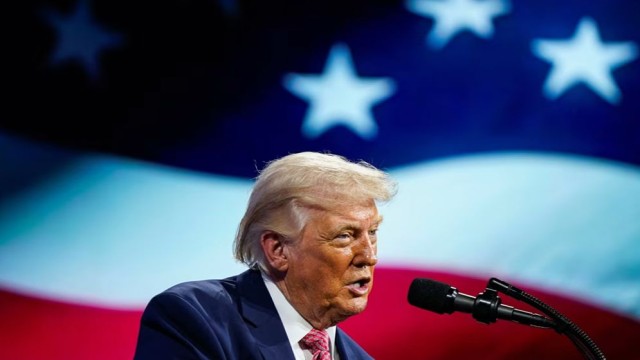
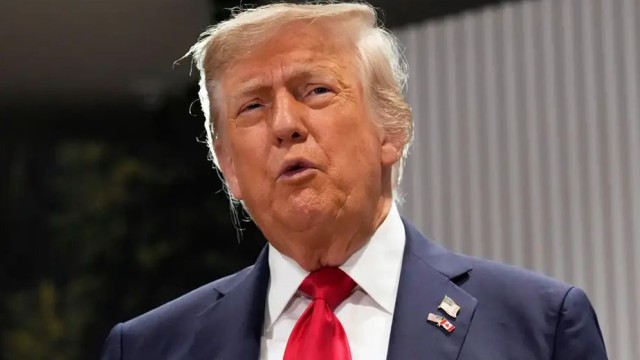
MIAMI, Mar 28 (V7N) – In a significant recalibration of his "Mission Accomplished" rhetoric, U.S. President Donald Trump told a summit in Miami on Friday that the war with Iran is "not over yet" and will continue until a specific list of thousands of military targets is neutralized. The President’s comments, characterized by a mix of aggression and a desire for a swift exit, mark the beginning of the second month of the conflict that started on February 28.
The "Target List" Doctrine
Speaking at a high-profile political summit in Florida, President Trump provided the most detailed look yet at the Pentagon's remaining objectives:
-
3,554 Remaining Targets: Trump claimed that U.S. and Israeli intelligence have identified a specific set of 3,554 tactical targets—including missile silos, command centers, and "clandestine" industrial sites—that must be struck before a ceasefire is considered.
-
Admission of Complexity: Moving away from his earlier claims of total victory, the President admitted that the conflict is "not completely under control" yet, acknowledging the persistence of Iranian retaliatory capabilities.
-
Goal of Speed: Despite the long target list, Trump insisted the war must end "very soon," signaling his reluctance for a protracted multi-year involvement.
Rubio’s "Weeks, Not Months" Timeline
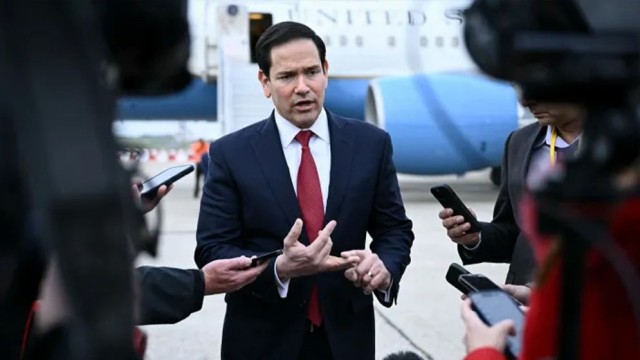
Parallel to the President's speech, Secretary of State Marco Rubio provided a more technical timeline from the G7 Foreign Ministers' meeting in France.
-
The No-Ground-Troop Pledge: Rubio reassured G7 allies that Washington remains committed to its goal of achieving total victory without a large-scale ground invasion.
-
The End Date: "We are moving towards completing the operation on time or even earlier. It will be over in a few weeks, not months," Rubio told reporters. He claimed that the "War Department" (a term often used by the current administration for the Pentagon) is seeing "very good progress" in degrading Iran’s nuclear and maritime capabilities.
The Escalation Context
The administration's dual messaging comes at a moment of extreme tension:
-
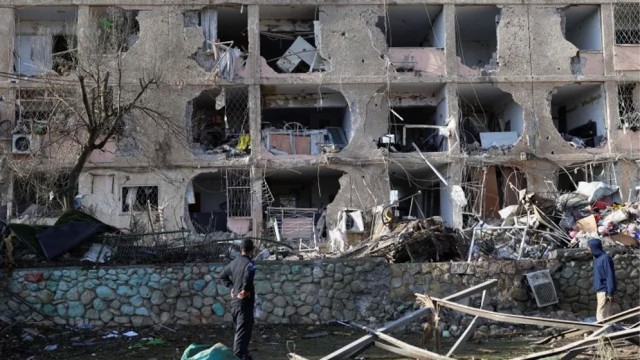
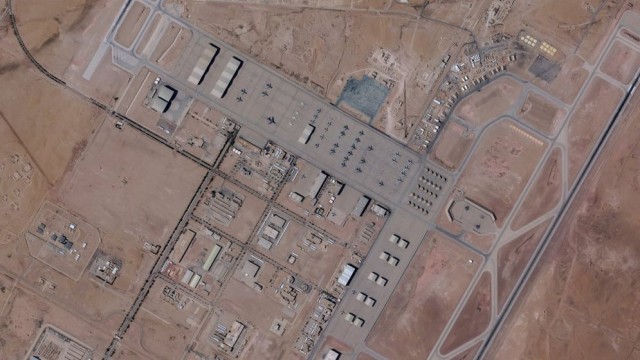
Saudi Base Hit: Just hours before these speeches, an Iranian missile and drone strike on the Prince Sultan Air Base injured 12 US soldiers, two critically.
-
Nuclear Strikes: On Friday, Israel confirmed it carried out a major strike on Iran’s Khondab Water Research Center and a yellowcake production plant, significantly escalating the technological war.
-
Oil Markets: Global oil prices, including Kuwaiti crude, surged past $118 per barrel on Saturday morning as the Strait of Hormuz remains effectively closed.
A Shifting Political Landscape
The President's admission that the war is not yet "under control" suggests that the resilient nature of Iran’s asymmetric response—including proxy strikes from Yemen’s Houthis and Hezbollah—has forced the White House to adjust its expectations.
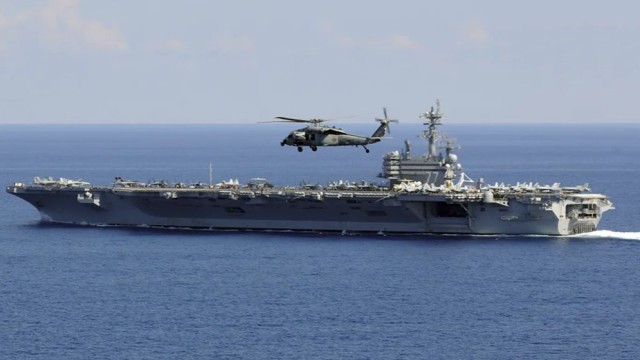
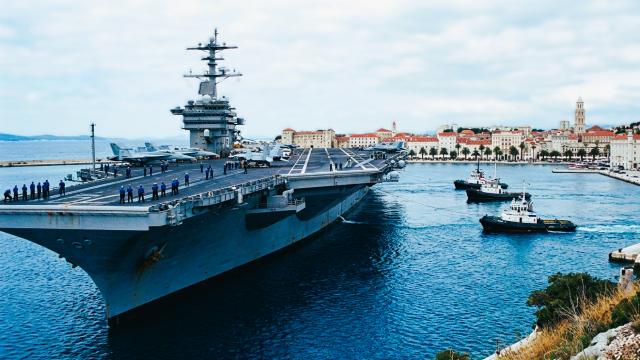
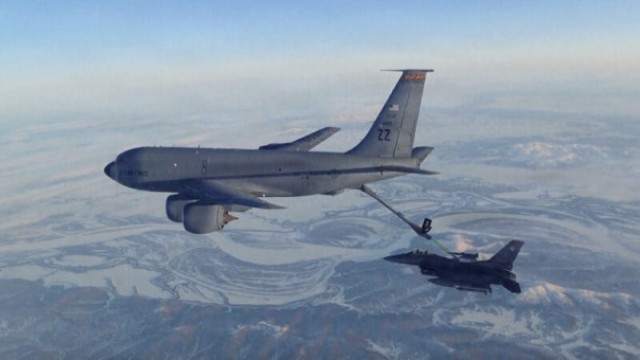
While the "3,554 targets" figure may be intended to show a methodical path to peace, military analysts suggest that hitting such a vast number of sites within "a few weeks" would require an air campaign of unprecedented intensity, likely involving the deployment of more aircraft carriers to the Persian Gulf.
END/SMA/AJ













Comment: