


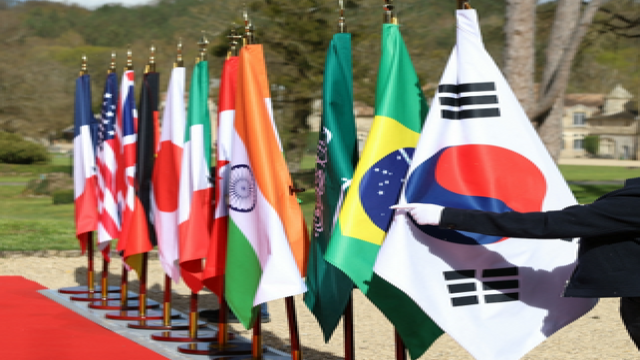
VERSAILLES, March 27, (V7N) — Sharp differences emerged among G7 foreign ministers Friday as U.S. Secretary of State Marco Rubio sought to rally support for Washington’s approach to the ongoing Iran war, amid repeated criticism from President Donald Trump.
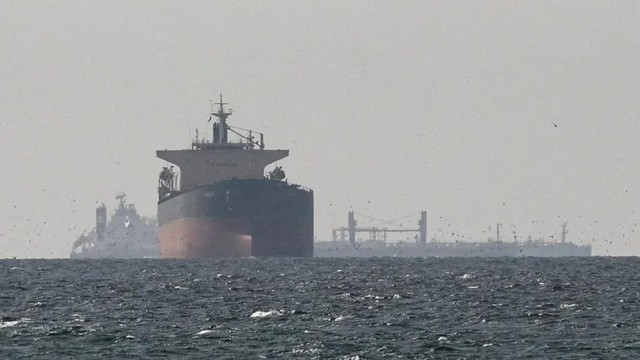
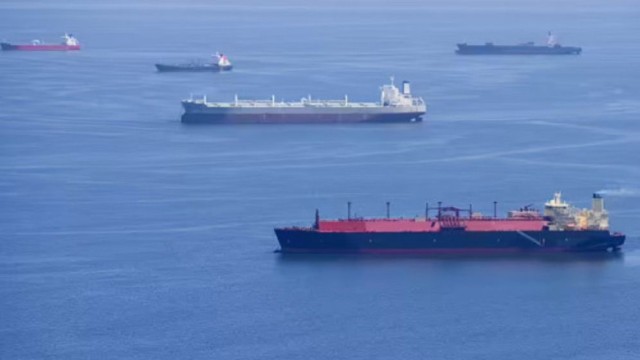
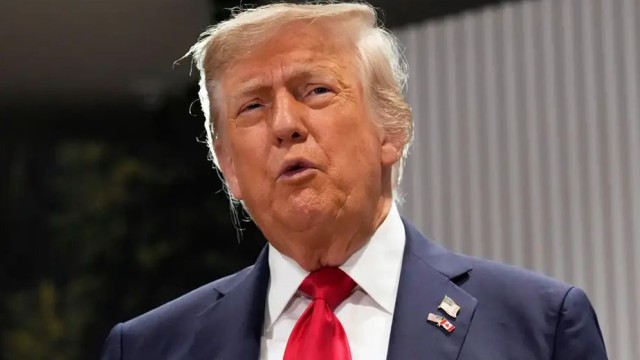
Trump has accused NATO and other allies of ignoring U.S. calls to counter Tehran’s retaliatory measures, including the closure of the Strait of Hormuz, which has disrupted global oil shipments.
Four weeks into the conflict launched by the U.S. and Israel, allies remain skeptical of America’s offensive actions. French Armed Forces Minister Catherine Vautrin stressed France’s strictly defensive role and urged diplomacy. British Foreign Secretary Yvette Cooper echoed the call for a diplomatic solution, while German Foreign Minister Johann Wadephul signaled readiness to support post‑conflict security in the Strait of Hormuz.
Rubio’s task was complicated by Trump’s repeated criticisms of NATO and European allies, including past disputes over Greenland and ongoing tensions over Ukraine. Ministers emphasized that commitments to Ukraine’s defense must not be undermined by the Middle East crisis.
France, hosting the G7 near Versailles, has expressed skepticism about the war. Defense chief Gen. Fabien Mandon criticized Washington for acting unilaterally in the region.
Meanwhile, military talks involving 35 countries continue under French coordination to reopen the Strait of Hormuz. Rubio underscored that nations concerned with international law must act to address Iran’s blockade, framing U.S. leadership as essential to regional security and global stability.
The G7 meeting highlighted lingering fractures among allies and underscored the difficulty of securing unified support for the U.S. strategy in the Iran conflict.
END/WD/RH/








Comment: