


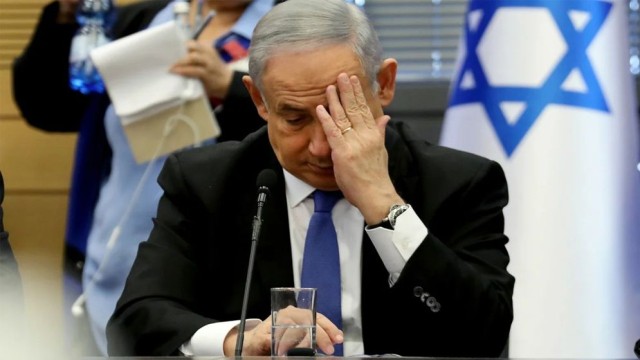
JERUSALEM, Mar 27 (V7N) – Israeli Prime Minister Benjamin Netanyahu is locked in a high-stakes race to pass the 2026 state budget before the March 31 deadline, a move analysts describe as a desperate attempt to avoid early elections he is currently projected to lose. Despite the initial "rally round the flag" effect following the outbreak of war with Iran, recent polls indicate that the Prime Minister's political gamble has not rehabilitated his standing with the Israeli electorate.
The March 31 Budget Deadline
Under Israeli law, the Knesset must approve the national budget by the end of March. Failure to do so results in the automatic dissolution of parliament, triggering snap elections within 90 days.
-
The Strategy: While Netanyahu’s camp initially considered a June election to capitalize on the assassination of Iranian Supreme Leader Ali Khamenei, the prolonged and costly nature of the conflict has shifted their focus toward survival.
-
Political Maneuvering: To secure a majority, Netanyahu has reportedly allocated significant "coalition funds" to ultra-Orthodox and far-right allies, ensuring their support for a budget that many economists warn is already "irrelevant" due to skyrocketing defense costs.
Polls: Likud Leads, but Coalition Falls Short
A recent poll published by The Times of Israel (Zman Yisrael) illustrates the Prime Minister’s dilemma. While his Likud Party remains the largest single faction, the broader right-wing coalition is losing its grip:
-
Likud Projection: 28 seats (down from 34 currently held).
-
Coalition Total: 51 seats—well short of the 61-seat majority needed to form a government.
-
Rising Challengers: Former IDF Chief of Staff Gadi Eisenkot’s "Yashar" party and Naftali Bennett’s faction have seen significant gains, positioning them as the primary leaders of an anti-Netanyahu bloc.
The Economic Toll: $1.6 Billion per Week
The financial burden of the war is further eroding the government's stability. With schools closed and much of the workforce mobilized or sheltering from daily missile barrages, the Israeli economy is bleeding an estimated NIS 5 billion ($1.6 billion) per week.
-
Defense Spending: The 2026 budget has already been revised to include an additional NIS 32 billion for defense, bringing the total military allocation to NIS 144 billion—a 30% increase.
-
Social Unrest: The government’s decision to prioritize funds for ultra-conservative religious parties while the general public faces rising inflation and business closures has sparked widespread anger, even among those who support the military campaign against Iran.
A Strategy of Prolongation
Political analysts suggest that Netanyahu is now following a "buying time" strategy. By avoiding a summer election, he hopes that a decisive military victory or a favorable diplomatic shift could eventually turn the tide in his favor before the scheduled October 2026 elections. However, with the war entering its fifth week and the "Gaza fatigue" of the last two years still weighing on voters, the Prime Minister’s path to a sixth term remains more precarious than ever.
END/SMA/AJ




















Comment: