


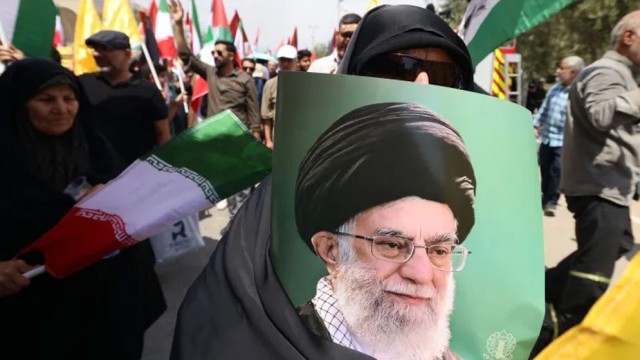
Tehran, Mar 01 (V7N) – Iran is confronting a major political transition following reports that its Supreme Leader Ayatollah Ali Khamenei has been killed in a joint strike attributed to the United States and Israel, creating uncertainty over the country’s future leadership.
According to Iran’s constitution, the responsibility of selecting the next Supreme Leader lies with the Assembly of Experts, an elected council of 88 senior clerics. The process has only occurred once before—when Khamenei assumed power after the death of Ayatollah Ruhollah Khomeini in 1989.
Authorities are expected to move swiftly to project stability, though the security situation remains uncertain as Donald Trump has indicated that military operations could continue.
Criteria for the Next Supreme Leader
Under constitutional rules, the successor must be a male cleric with recognized religious authority, political experience, and loyalty to the Islamic Republic. Observers believe the selection process is likely to favor a hardline figure rather than a reformist candidate.
Names Circulating as Possible Successors
Several influential clerics and political figures are being discussed:
-
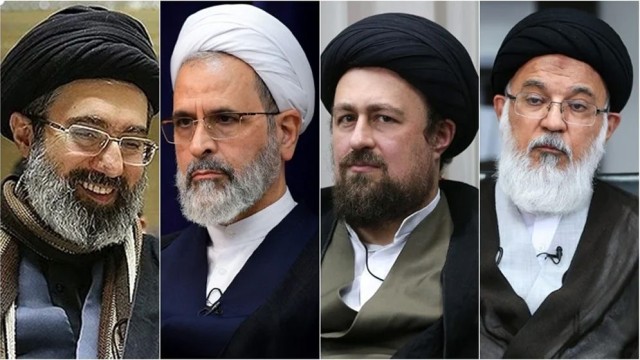
Mojtaba Khamenei – The late leader’s son, known for strong ties with the security establishment, though hereditary succession is controversial.
-
Alireza Arafi – Deputy chairman of the Assembly of Experts and a senior religious scholar.
-
Mohammad Mehdi Mirbagheri – A prominent hardline cleric representing the conservative faction.
-
Hassan Khomeini – Grandson of the Islamic Republic’s founder, considered comparatively moderate.
-
Hashem Hosseini Bushehri – Senior cleric and first deputy chairman of the Assembly of Experts.
Meanwhile, senior Iranian official Ali Larijani has indicated that an interim leadership council may be formed to oversee state affairs until a permanent successor is chosen.
Analysts say the transition will be closely watched worldwide, as the Supreme Leader holds ultimate authority over Iran’s government, military, and judiciary, making the succession one of the most consequential moments in the country’s political history.
END/SMA/AJ









Comment: