



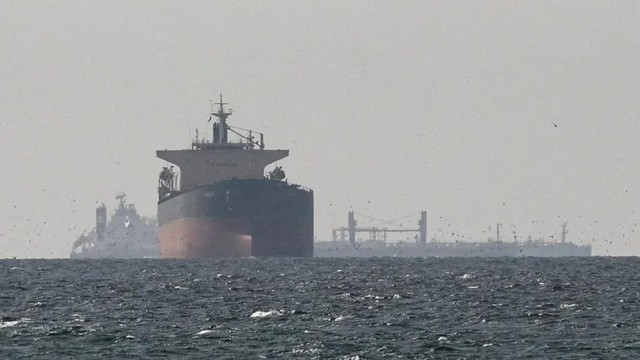
MAR 30 (V7N) - As tensions in the Middle East continue to rise, oil prices surged while stock markets tumbled on Monday, reflecting mounting concerns over the escalating conflict. The situation worsened with the entry of Yemen's Houthi rebels, who launched a barrage of cruise missiles and drones at strategic sites in Israel on Saturday. This new phase of the conflict has raised fears of its spread into the Red Sea, with Saudi Arabia rerouting a significant portion of its oil exports to avoid the Strait of Hormuz, which has been effectively closed by Iran.
The impact on the oil market was immediate. Brent crude prices spiked, reaching nearly $117 per barrel, the highest level seen this month, as investors feared further disruptions to global oil supply. The surge in oil prices added to concerns about inflation, which has already been affecting the global economy, particularly in the wake of the ongoing war. At one point, both major oil contracts jumped more than three percent.
Further compounding the anxiety in the markets were comments from former U.S. President Donald Trump, who told the Financial Times that he could "take the oil in Iran" and seize the critical Kharg Island oil terminal. His remarks raised fears that the U.S. might escalate its involvement, although the U.S. government maintained that a full-scale invasion was not on the table.
As tensions soared, Pakistan expressed its readiness to mediate talks between the U.S. and Iran to de-escalate the situation. However, Iranian officials, including Parliament Speaker Mohammad Bagher Ghalibaf, warned that the U.S. was secretly planning a ground attack, further stoking fears of an expanded conflict.
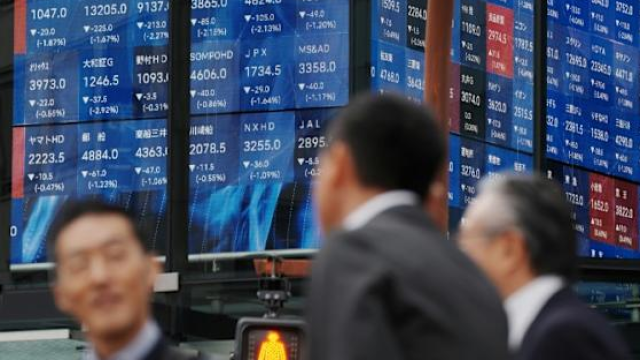
The economic repercussions of the conflict have been severe, with global stock markets reacting negatively. Asian markets were hit hard, with Tokyo's Nikkei 225 falling more than four percent and Seoul's market dropping over three percent. Other markets in Hong Kong, Shanghai, Sydney, and across Southeast Asia also recorded significant losses. Wall Street had a poor day as well, with all three major indices falling sharply after U.S. and Israeli airstrikes targeted Iranian nuclear sites.
The higher oil prices, coupled with inflation concerns and volatility in the global economy, have made investors increasingly wary. As Chris Weston of Pepperstone explained, the situation now includes more than just oil prices—fertilizers, petrochemicals, and metals are also being impacted by the growing conflict, leading to increased costs and economic uncertainty.
The potential for further disruption, especially in key maritime routes like the Bab al-Mandab Strait, which accounts for around 12 percent of global trade, is a major concern. Should the Houthis succeed in disrupting shipping through this critical waterway, it could cause further spikes in oil prices and exacerbate global supply chain issues.
In financial markets, the volatility was stark: Brent crude was up by 3.2 percent at $116.15 a barrel, while West Texas Intermediate (WTI) saw a rise of 3.0 percent to $102.61. Major Asian indices took significant hits, with Tokyo’s Nikkei 225 dropping by 4.6 percent and Hong Kong’s Hang Seng Index down by 1.9 percent. Similarly, European and American markets closed lower, reflecting the global unease.
The economic implications of this ongoing crisis are expected to be far-reaching, especially if the conflict continues to escalate and disrupt vital trade routes and energy supplies.
END/WD/RH/














Comment: