


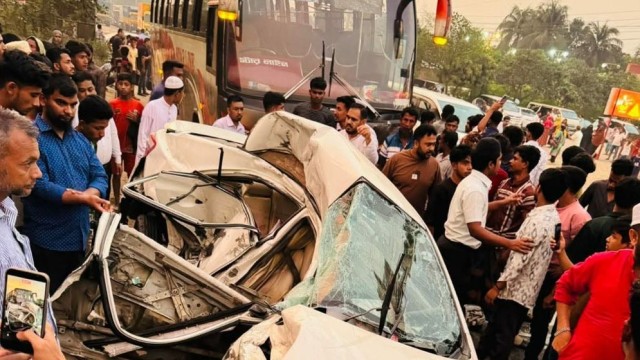
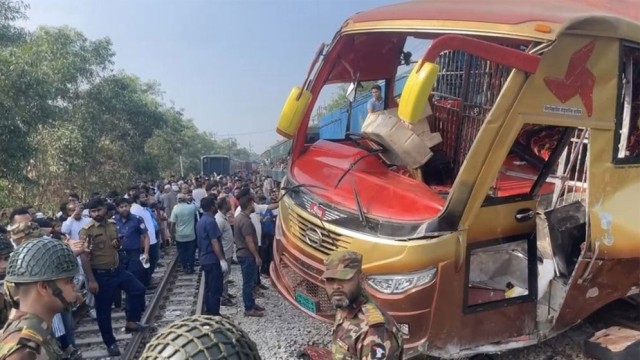
DHAKA, Mar 30 (V7N) — A grim picture of Bangladesh's transport safety has emerged following the Eid-ul-Fitr holidays, with 394 people reported killed and 1,288 others injured in a series of accidents across roads, railways, and waterways. The "Eid Yatra Road Accident Report-2026," released by the Bangladesh Passenger Welfare Association on Monday, highlights an 8.26 percent increase in deaths compared to the previous year.
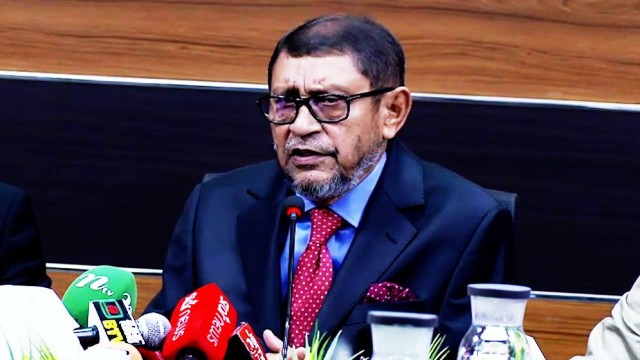
The report, presented by Secretary General Mozammel Haque Chowdhury at the Dhaka Reporters Unity, covers the 15-day travel period from March 14 to March 28. Data shows that 351 people were killed in 346 road accidents alone, while the remaining fatalities occurred in railway and maritime mishaps. Notably, 43 percent of these road accidents took place on national highways, signaling a critical safety crisis on the country’s main arteries.
Motorcycles remain the deadliest mode of transport, accounting for 36.12 percent of total road accidents and over 38 percent of all fatalities. During the Eid rush, 135 people lost their lives in 125 motorcycle-related incidents. The report further noted that trucks, covered vans, and passenger buses were the other primary vehicles involved in these fatal collisions.
During the press conference, the Passenger Welfare Association leveled serious allegations against the transport sector’s management. Mozammel Haque Chowdhury criticized the continued "mafia-style" control by old bureaucrats and labor leaders, claiming that the exclusion of civil society representatives from government planning meetings led to a monopoly that fostered fare anarchy and chaotic road conditions.
The association identified several key factors contributing to the carnage, including the unrestricted movement of motorcycles and battery-operated rickshaws on highways, the prevalence of unfit vehicles, and incompetent drivers. Additionally, passengers often risked their lives by traveling on the roofs of trucks and trains to escape exorbitant fare hikes and extortion on the roads.
To mitigate this recurring tragedy, the organization proposed a set of urgent recommendations. These include the implementation of smart fare systems and road technology, the de-registration of hazardous small vehicles from highways, and the installation of proper lighting on national roads. They also emphasized the need for mandatory driver training and strictly regulated working hours to prevent fatigue-related disasters.
The severity of the crisis was further underscored by medical data from Dhaka's Pangu Hospital, where 2,178 people sought treatment for road-related injuries during the same period. The report serves as a stark call to action for the government to overhaul transport governance and prioritize passenger safety over commercial interests.
END/SMA/AJ

















Comment: